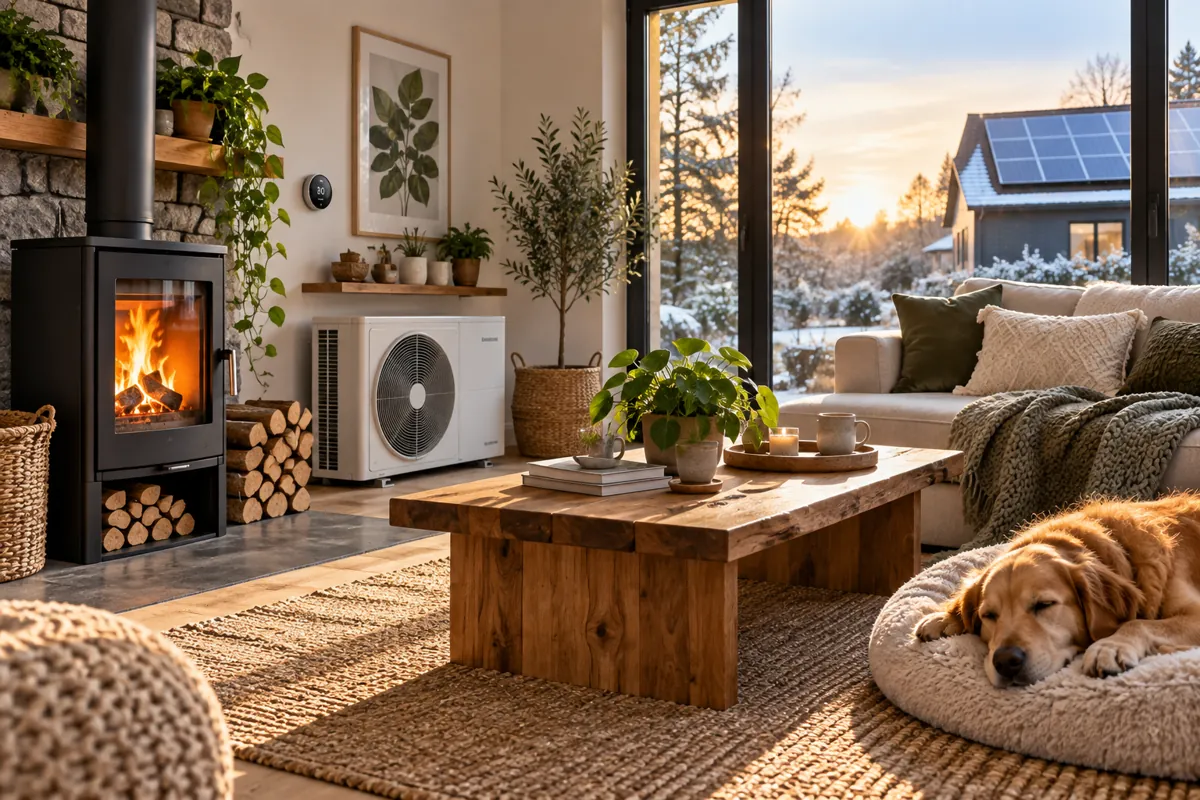
Introduction
In recent years, the demand for sustainable and cost-efficient energy solutions has increased significantly. Heating accounts for roughly 40% of residential energy consumption in many countries, which makes it a primary focus for those seeking to lower utility bills and reduce environmental impact. As households look for greener alternatives, energy-efficient heating systems and sustainable living practices have become essential components in modern home management.
This guide provides a comprehensive overview of heating, energy, and green living, offering insights into core concepts, operational mechanisms, practical applications, common pitfalls, and expert advice. By understanding these elements, homeowners and policymakers can make informed decisions that optimize energy use, cut emissions, and contribute to a more sustainable future.
Definition and core concepts
Heating refers to the process of maintaining indoor temperatures within a comfortable range, typically between 20 and 22 degrees Celsius (68-72 Fahrenheit). Traditional systems include natural gas furnaces, electric baseboard heaters, and oil boilers. In contrast, green heating methods utilize renewable energy sources such as solar, geothermal, and biomass, which do not deplete finite resources or emit large amounts of greenhouse gases.
Core concepts in green living revolve around energy efficiency, renewable energy integration, and sustainable resource management. An energy-efficient system consumes less power to produce the same level of comfort, often quantified through metrics like Coefficient of Performance (COP) or Seasonal Energy Efficiency Ratio (SEER). For example, a heat pump with a COP of 3 generates three units of heat energy per unit of electricity consumed, making it three times more efficient than conventional electric heating.
Renewable energy sources used in green heating include solar thermal collectors capturing sunlight to generate heat, geothermal systems tapping into the Earth's natural heat stored beneath the surface, and biomass combustion producing heat from organic materials like wood pellets. These methods significantly lower carbon footprints and promote sustainability.
Implementing green heating systems requires understanding energy savings, upfront investments, maintenance needs, and suitability based on geographic location. For example, solar thermal systems perform optimally in regions with high sunlight exposure, while geothermal systems are more effective in areas with accessible underground heat reservoirs.
How it works
Green heating systems operate by harnessing naturally occurring energy sources. Solar thermal collectors, installed on rooftops, absorb sunlight and transfer the heat to a fluid circulating through panels. This heated fluid is then used to produce hot water for space heating or domestic use. Solar collectors typically have efficiencies ranging from 40% to 70%, depending on design and climate conditions.
Geothermal heat pumps extract heat from the ground through underground loops buried at depths of 1.5 to 200 meters (5 to 650 feet). Because the Earth's temperature remains around 10 to 15 degrees Celsius (50 to 59 Fahrenheit) year-round, geothermal systems can deliver consistent heating performance. The system compresses this heat using a refrigerant cycle, similar to an air conditioner in reverse, to produce usable warmth indoors.
Biomass heating systems burn organic materials like wood pellets, chips, or logs. These systems include boilers that convert biomass into heat, often integrated with existing radiator or underfloor heating setups. Biomass boilers can produce 100,000 to 400,000 British thermal units (BTUs) per hour, and their carbon emissions are considered "carbon neutral" because the CO2 released was absorbed during the plant's growth cycle.
Hybrid systems combine different renewable sources or integrate with traditional systems. For example, a home might use solar thermal for hot water and a geothermal heat pump for space heating, maximizing efficiency and decreasing reliance on fossil fuels.
The efficiency of these systems depends on proper sizing, installation, and maintenance. Regular checks of solar collectors for debris or damage, maintaining geothermal loop integrity, and cleaning biomass boilers ensure consistent and optimal operation.
Practical application
Installing solar thermal collectors involves mounting panels on the roof with optimal tilt and orientation to maximize sunlight exposure. Positioning panels south-facing and at an angle equal to the latitude of the location improves efficiency. A typical residential solar thermal system can generate 50 to 70% of a household's hot water needs, reducing utility costs by approximately 30%.
Geothermal heat pump installation requires burying loop arrays either horizontally or vertically depending on available land and depth constraints. Vertical loops are common in urban areas, with drill depths reaching 150 meters (around 500 feet). The initial cost, averaging between $10,000 and $30,000, is offset over time through energy savings averaging $600 to $1,200 per year, according to the U.S. Department of Energy.
Biomass boilers are typically integrated into existing heating systems and require space for fuel storage. Modern pellet boilers boast efficiencies exceeding 90%, with emissions comparable to those of gas boilers. They can be programmed with smart controls to optimize fuel usage, lowering operating costs by 10-20% compared to manual operation.
Energy management systems enhance the efficiency of green heating setups. Smart thermostats, zone control, and predictive algorithms help adjust heating schedules based on occupancy and weather forecasts, reducing unnecessary energy consumption.
For homes in colder climates, combining multiple systems offers redundancy and resilience. A solar thermal system might cover hot water needs in summer, while geothermal or biomass takes over in winter months. Proper insulation of the building envelope further reduces heating demands, increasing the overall effectiveness of green systems.
Adopting these technologies often involves upfront investment, but long-term savings, government incentives, and decreasing equipment costs promote wider adoption. According to the International Renewable Energy Agency, the cost of solar thermal systems has decreased by approximately 50% over the past decade, with potential payback periods as short as 7 years in some regions.
Common mistakes
One frequent error is overestimating the capacity needed for a system. Installing a larger than necessary solar collector or geothermal loop can lead to unnecessary expenses without proportional benefits. Homeowners should carry out detailed heat load calculations or consult professionals to determine accurate sizing.
Neglecting proper installation and maintenance can significantly diminish system performance. For instance, dirty solar panels or trapped air in geothermal loops reduce efficiency. Regular inspections and cleaning are necessary to maintain peak operation and extend equipment lifespan.
Choosing the wrong system for the climate is another issue. Solar thermal units perform poorly in low-sun regions or during winter months with minimal sunlight. Geothermal systems need adequate land or drilling options; without these, the system becomes impractical. Analyzing local conditions ensures selection of the most effective technology.
Ignoring integration opportunities can leave potential energy savings unused. Adding smart thermostats and zoning controls allows more precise management of heating, reducing waste. Not leveraging government incentives or tax credits also increases the net cost, discouraging adoption.
Expert recommendations
Professionals recommend conducting comprehensive energy audits before system installation. Audits measure current energy use, identify inefficiencies, and establish objectives. This process guides system selection and ensures investments deliver real savings.
Proper system design and installation are essential. Certified technicians with experience in renewable heating systems guarantee correctness, optimize performance, and minimize operational issues. Proper insulation and airtightness of the building envelope complement heating systems, maximizing energy efficiency.
Maintenance plans should include regular checks of solar collectors for dirt and shading, monitoring geothermal loop integrity, and periodic cleaning of biomass boilers. Tracking energy consumption over time helps identify performance drops and informs adjustments.
Homeowners should consider available incentives, such as the Federal Investment Tax Credit in the United States, which offers up to 26% rebate for renewable energy installations in 2023. These financial incentives can reduce upfront costs and shorten payback periods.
Conclusion
Implementing green heating solutions requires understanding the fundamentals, proper planning, and consistent maintenance. Solar thermal, geothermal, and biomass systems have become practical choices for reducing carbon footprints and lowering energy bills. With the right setup, households can significantly cut fossil fuel dependence and contribute to a resilient energy future.
As technology advances and costs decrease, adopting sustainable heating practices becomes increasingly feasible. In many cases, combining multiple renewable methods provides the highest efficiency and reliability, ensuring long-term benefits and environmental responsibility.